- Home
-
Products
-
Batteries
- Batteries Jenox AGM / For passenger cars
- Batteries Jenox CLASSIC Japanese / Cars
- Batteries Jenox CLASSIC / Cars
- Batteries Jenox CLASSIC TRUCK / Trucks
- Batteries Jenox SVR / SRP / Vibration resistant / Frequent starting
- Batteries Jenox SHD / Trucks and Buses
- Batteries Jenox CLASSIC 6V
- Batteries Jenox GOLD / Cars
- Batteries Jenox EFB / Cars with START-STOP systems
- Batteries Jenox HOBBY Deep Discharge / Yachts / Boats / Campers
- Outdoor & grounds maintenance 🆕
-
Autochemistry
- Spray paint
- Oils and greases
- Cooling System
- Car parts cleaning
- Flammable liquids
- Distilled water
- DPF filter and catalyst cleaners
- Car Body Maintenance
- Adhesives and sealants
- Fuel system liquid additives
- Polishing paste and pads
- Hand washing paste
- Diluents and solvents
- Brake fluids
- Cleaners, shampoos
-
Car goods
- Work gloves
-
Workshop equipment
- Label printers
- Paper for hygiene
- Stationery supplies
- Air fresheners
- For used car parts 🛞
- Packaging equipment
-
Packing materials
- Protective films
- Security seals
- Protective EPE shells
- Cardboard packaging
- Stickers and labels
- Adhesive tapes
- Bags
- Packaging tools
- Packaging films
- Industrial paper in rolls
- SealedAir® Expanding foam for volume filler
- Volume filler
- Strapping tape and consumables
- Cable plastic straps
- Envelopes
- Sprayers
- Storage equipment
-
Batteries
- For used car parts 🛞
-
Packing materials
- Protective films
- Security seals
- Protective EPE shells
- Cardboard packaging
- Stickers and labels
- Adhesive tapes
- Bags
- Packaging tools
- Packaging films
- Industrial paper in rolls
- SealedAir® Expanding foam for volume filler
- Volume filler
- Strapping tape and consumables
- Cable plastic straps
- Envelopes
- F.A.Q.
- NEW PRODUCTS
- Delivery
- Contact
How to Properly Mark Automotive Parts: Which Methods Should You Choose for Different Situations?
Proper marking of automotive parts helps prevent mistakes, saves time, and simplifies both repairs and storage. However, not all marking tools are equally suitable for every situation. In this post, we will review which tools to choose and when they work best.
🖊️ Paint Markers – When Durability Matters
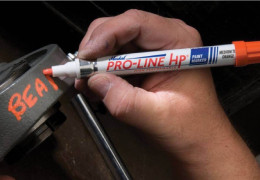
Liquid paint markers are one of the most versatile industrial marking tools, from metalworking to automotive repair. They come in various colors and tip sizes, allowing different line widths and styles depending on the need.
They are an excellent choice when markings must remain visible even in demanding conditions.
Why choose them?
-
- Write on metal, plastic, glass, ceramic, stone, rubber, wood, paper, cardboard, and other surfaces.
- Once dry, they are resistant to weather conditions, oils, sunlight, sand, and vibrations.
- Markings remain clear and do not fade or wear off easily.
Practical example
Paint markers are an essential tool for marking dirty, greasy, or oversized parts such as suspension components, engines, or gearboxes. They are especially useful when clear and short identification is needed, for example indicating the vehicle model, year, or engine code directly on the part.
In such situations, markers provide a major advantage, especially when working with irregularly shaped parts where attaching a label or sticker is not possible—leaving only direct surface marking as an option.
When to choose?
- When long-term marking is required
- When surfaces may be dirty or greasy
- When parts will be exposed to environmental conditions
👇 PRO-LINE HP Paint Markers
👇 TAGGR® 2.5mm Paint Marker
🖍️ Paint Sticks – When Speed and Simplicity Matter
Paint sticks are an ideal solution for temporary or easily removable marking.
They perform well even in demanding conditions – on hot, wet, or rough surfaces.
Why choose?
- Write on wet and hot surfaces
- Clearly visible even on dark materials
- Easily removable from smooth surfaces
Practical example
Paint sticks are especially suitable for marking vehicle body parts or writing on glass, fenders, hoods, and other smooth surfaces. They allow fast and easy marking without worrying that it will rub off or wash away, even in rainy conditions.
End users do not need to worry about removing the marking or damaging the surface. Some paint markers contain solvents and may not be suitable for repainting processes, as they can damage the clear coat.
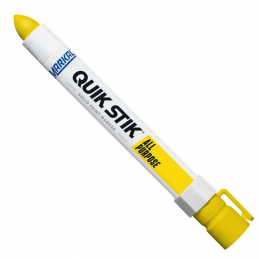
With QUIK STIK paint sticks, this issue does not occur, as they behave similarly to wax—they are easily removable and leave no damage.
When to choose?
- When temporary marking is needed
- When working in difficult conditions (moisture, heat)
- When many auto parts need to be marked quickly
👇 QUIK STIK Paint Sticks
🏷️ Adhesive and Perforated Labels – When Organization and Clarity Matter
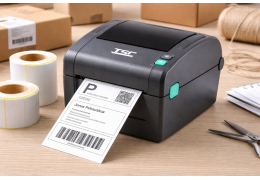
Every used auto parts seller has some kind of database where information is digitized: parts are photographed and relevant data is entered. Identification becomes much easier when each part has its own identification card – a label or sticker.
If the priority is clear information and organized storage, labels are indispensable.
They are especially useful when not only marking is required but also additional information such as codes, names, or dates.
Why choose?
- Clean and professional appearance
- Ability to include more information
- Resistance to moisture and mechanical impact
Practical example – perforated labels
Many users attach perforated labels to parts to avoid mixing identical items during sales and to easily identify them using a specific code.
Label quality is also very important. With cheaper alternatives, businesses often face the problem that labels tear off fastening ties during storage or handling. When many parts are stored in boxes, detached labels end up at the bottom, making work much more difficult.
We recommend choosing high-quality labels to ensure durability and clarity in logistics and storage.
Practical example – adhesive labels
The use of stickers on parts such as car headlights is very practical. After proper cleaning and choosing suitable storage—such as wrapping the part several times with stretch film and placing it on a shelf to protect it from dust and preserve its appearance—a convenient labeling surface is created.
An adhesive label with all necessary information can then be placed on the film. This makes identification simple without damaging the appearance of the part.
When to choose?
- When organization and systemization are important
- When identification (code, name, etc.) is required
- When parts are stored long-term wrapped in stretch film
🔧 How to Choose the Right Option?
Before choosing a marking method, ask yourself a few questions:
- Will the marking be temporary or long-term?
- Will the surface be clean or exposed to oil and moisture?
- Do you need only a mark or also additional information?
👉 In short:
- For long-term use → paint markers
- For quick work → paint sticks
- For organization and system → labels
Conclusion
The right marking solution can significantly simplify work—from a small garage to a professional automotive workshop.
Sometimes one good marker is enough, while in other cases a whole system of different tools is required. The most important thing is to choose based on the situation, not habit.
Related products
Perforated labels 58x101.6mm (Valeron) 500pcs/roll
Liquid paint marker PRO-LINE HP - White
Liquid paint marker PRO-LINE HP - Yellow
Liquid paint marker PRO-LINE HP - Red
Liquid paint marker PRO-LINE FINE - White
Solid paint marker QUIK STIK - Blue
Solid paint marker QUIK STIK - Black
Adhesive labels 60x99mm (Plastic) 500pcs/roll.
Solid paint marker QUIK STIK - Yellow
Paint Marker TAGGR® 2.5mm – 50ml Tube
Self-adhesive removable labels "BROKAS!" 38x18mm 300pcs.
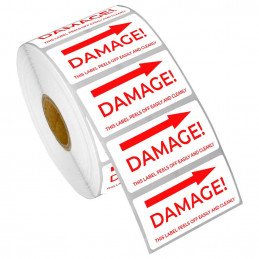
Self-adhesive removable labels "DAMAGE!" 38x18mm 300pcs.
Related posts
Lipnių etikečių spausdintuvai: kokį pasirinkti automobilių dalių parduotuvėje?
Leave a comment